

The Rise of Titanium in the Eyewear Industry
In the hyper-competitive world of modern optics, the materials a brand chooses to showcase are more than just inventory; they are a statement of value, durability, and technological sophistication. For optical retailers, independent boutiques, and large-scale distributors, the shift toward high-performance materials has never been more pronounced. At the forefront of this evolution is titanium optical frames wholesale.
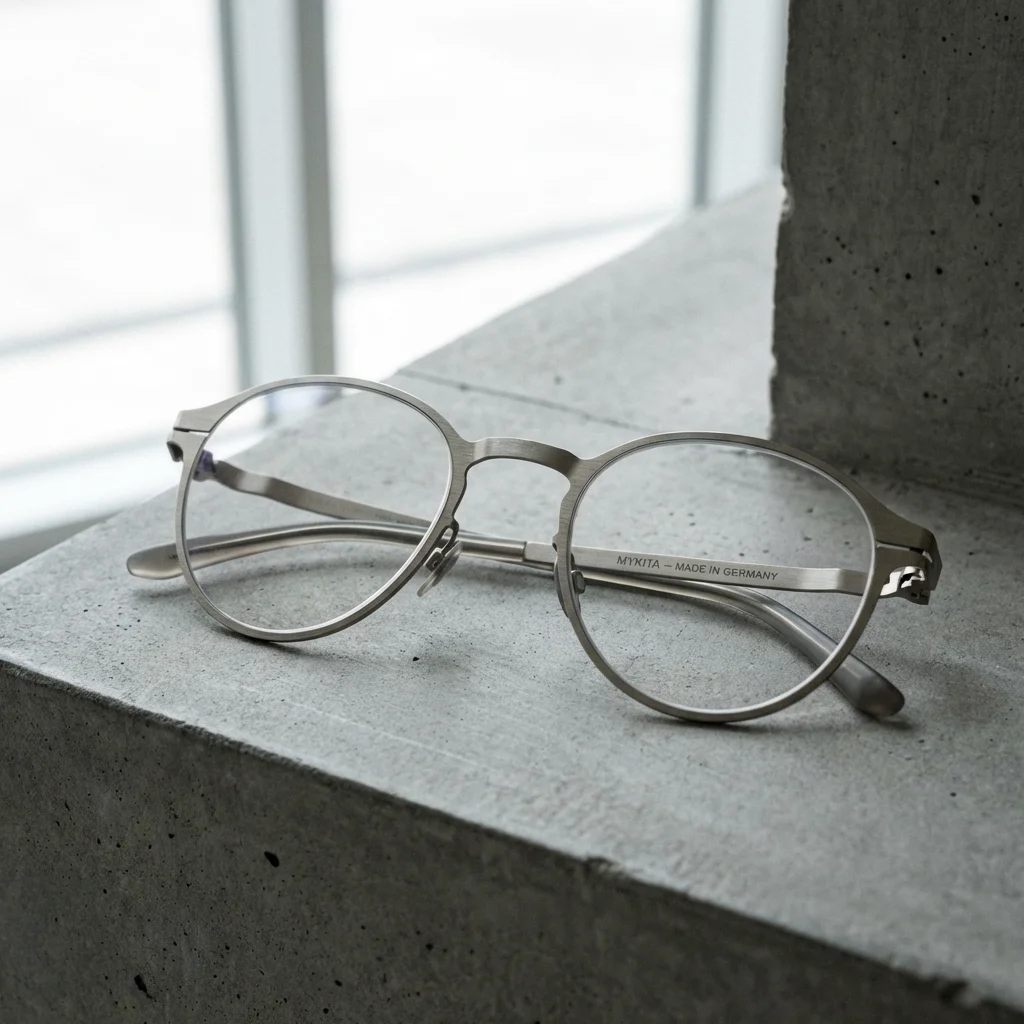
As consumers become increasingly educated about the "cost-per-wear" and the physical comfort of their accessories, titanium has transitioned from a niche luxury to a market standard for premium eyewear. For a lightweight glasses frames manufacturer, the challenge lies in balancing the inherent strength of this aerospace-grade metal with the delicate aesthetics required by modern fashion.
This comprehensive guide explores the intricate world of titanium eyewear, from its historical roots and complex manufacturing processes to the market trends of 2026, providing B2B buyers with the insights needed to navigate the eyewear wholesale landscape effectively.
The History of Titanium in Eyewear: From Aerospace to Aesthetics
Titanium (Ti), named after the Titans of Greek mythology, was discovered in the late 18th century but remained a structural curiosity for decades due to the extreme difficulty of extracting it from its ore. It wasn't until the mid-20th century that the Kroll process made commercial production viable, primarily for the aerospace and defense industries.
The journey into the optical world began in the early 1980s. Before titanium, the optical manufacturer relied heavily on monel, nickel, and stainless steel. While functional, these materials presented issues with weight, skin irritation (nickel allergies), and corrosion.
Japanese manufacturers were the pioneers, being the first to successfully weld and plate titanium for eyewear use in 1982. The initial frames were bulky and difficult to adjust, but they offered a glimpse into a future where "feather-light" glasses were a reality. By the 1990s, the technology matured, allowing for thinner wires, more intricate designs, and the introduction of alloys like beta-titanium. Today, titanium represents the pinnacle of frame material science, favored by brands that prioritize longevity and wearer comfort.
Technical Comparison: Pure Titanium vs. Beta-Titanium vs. Memory Titanium
When sourcing bulk glasses frames, it is vital for buyers to understand that not all "titanium" is created equal. The classification of the material significantly impacts the price, adjustability, and target demographic.
1. Pure Titanium (CP Titanium)
Pure titanium, often referred to as Commercially Pure (CP), is typically 99% titanium.
- Pros: It is exceptionally lightweight (about 48% lighter than traditional metals), highly corrosion-resistant, and 100% hypoallergenic. It is the best choice for patients with sensitive skin.
- Cons: It is relatively rigid. While it can be bent for adjustment, it doesn't have "spring-back" properties. It requires specialized welding techniques.
2. Beta-Titanium
Beta-titanium is an alloy consisting of titanium mixed with elements like vanadium, aluminum, or molybdenum.
- Pros: This is the "goldilocks" material for high-end eyewear. It is more flexible than pure titanium, allowing for thinner, more resilient temples that can bow outward without deforming. It maintains the lightweight and hypoallergenic properties of the base metal.
- Cons: It is more expensive to process due to the complexity of the alloy.
3. Memory Titanium (Nickel-Titanium / Nitinol)
Often marketed as "Flex-Titanium," this is a shape-memory alloy.
- Pros: These frames can be bent, twisted, or crushed and will return to their original shape. This makes them ideal for children’s eyewear or active lifestyles.
- Cons: Because it contains nickel to achieve the "memory" effect, it is not strictly hypoallergenic. High-quality manufacturers often coat these frames heavily to prevent skin contact, but it’s a distinction B2B buyers must communicate to their clients.
The Manufacturing Process: Precision Engineering in Every Frame
Being a lightweight glasses frames manufacturer requires a level of engineering precision that far exceeds standard acetate or monel production. Titanium’s high melting point and reactivity to oxygen mean it cannot be cast like other metals; it must be meticulously machined and treated.
CNC Machining and Pressing
The process begins with high-precision CNC (Computer Numerical Control) machines. Titanium ribbons or wires are fed into machines that cut the basic eye-wire and temple shapes. For more complex designs, heavy-duty hydraulic presses (up to 300 tons) are used to stamp patterns or create the bridge structure. Because titanium is so hard, the tooling wears out much faster than with other metals, contributing to the higher wholesale cost.
Laser Welding
Traditional soldering doesn't work with titanium because it oxidizes instantly when heated in the air. High-end optical manufacturer facilities use vacuum laser welding or argon-gas shielded welding. This ensures the joints (where the temple meets the hinge, for example) are as strong as the metal itself, preventing the common "snapped hinge" issues found in cheaper alternatives.
Surface Polishing
Titanium is notoriously difficult to polish. It requires a multi-stage process involving ceramic media, walnut shells, and fine-grade polishing pastes. Frames may spend up to 48 hours in tumbling barrels to achieve a smooth, mirror-like finish before moving to the plating stage.
Ion Plating (IP) / Vacuum Plating
To give titanium frames their color (gold, silver, gunmetal, or vibrant hues), manufacturers use Ion Plating (IP). Unlike traditional electroplating, which can flake off over time, IP involves placing the frames in a vacuum chamber and bombarding them with metal ions. This creates a molecular bond that is incredibly durable and resistant to sweat and salt water.
Why Titanium is the Gold Standard for Premium Optical Stores
For retailers looking at titanium optical frames wholesale, the "value proposition" is clear. Titanium solves the three biggest pain points for glasses wearers:
- Weight Fatigue: Many patients complain of headaches or "nose dents" caused by heavy frames. Titanium frames often weigh less than 15 grams, providing "all-day comfort."
- Skin Sensitivity: Nickel allergies are a leading cause of contact dermatitis in eyewear users. Pure titanium and high-grade beta-titanium provide a safe, biocompatible alternative.
- Durability vs. Elegance: Usually, "tough" glasses look clunky. Titanium allows for ultra-thin, minimalistic designs that are surprisingly robust.
From a business perspective, titanium frames command a higher retail price point and offer better margins. They also reduce the rate of returns and warranty claims due to breakage or plating failure. If you are just starting out, you might want to check our guide on how to launch your eyewear brand with private label sunglasses to understand how to build a brand identity around these premium materials.
Market Trends for 2026: The Future of Titanium Design
The eyewear wholesale market is shifting towards a blend of "Technological Minimalism" and "Hybrid Luxury." Here is what we expect to dominate in 2026:
- Eco-Titanium: Sustainability is no longer optional. Manufacturers are increasingly using recycled titanium sourced from the aerospace industry to reduce the carbon footprint of production. This pairs perfectly with the rise of sustainable eyewear wholesale and bio-acetate frames.
- Combination Frames: We are seeing a surge in "Titanium + Acetate" hybrids. Think thick, colorful bio-acetate rims supported by ultra-thin, flexible beta-titanium temples.
- Rimless Evolution: The classic rimless look is returning, but with a twist. Decorative titanium bridge pieces and "floating" lens designs are trending for the 2026 season.
- Textured Finishes: Instead of just high-polish, 2026 will see "brushed," "sandblasted," and "knurled" titanium textures that emphasize the raw, industrial beauty of the metal.
How to Select a Reliable Titanium Wholesale Partner
When looking for a titanium optical frames wholesale partner, the sheer number of options can be overwhelming. To ensure you are receiving genuine titanium and not a cheap alloy, look for these indicators:
1. Certifications
A reputable optical manufacturer should provide CE and ISO certifications. For titanium specifically, ask for material test reports that verify the percentage of titanium in the frames.
2. Quality of Components
Check the hinges and nose pads. Premium titanium frames should use high-quality screw-lock systems (to prevent screws from backing out) and medical-grade silicone or titanium nose pads.
3. Sampling Process
Never place a large order for bulk glasses frames without testing samples. Test the flexibility of the temples (for beta-titanium) and the weight. Use a magnet; genuine titanium is non-magnetic.
4. Customization (OEM/ODM)
If you are building your own brand, your partner should offer laser engraving and custom color options through Ion Plating. A manufacturer that understands the nuances of titanium will be able to advise you on which colors are most durable.
Maintenance and Care for Titanium Eyewear
While titanium is incredibly durable, it still requires proper care to maintain its premium look. Educating your end customers on these points adds value to your service:
- Ultrasonic Cleaning: Titanium frames thrive with professional ultrasonic cleaning. It removes oils and salts from the intricate hinge areas that hand-wiping can't reach.
- Adjustment Tools: Because titanium (especially beta-titanium) has a "spring" effect, it requires specialized nylon-jawed pliers for adjustment to avoid scratching the Ion Plating.
- Avoiding Harsh Chemicals: While the metal is corrosion-resistant, the lens coatings might not be. Advise users to avoid using window cleaners or alcohol-based sprays.
Conclusion: Investing in the Future of Vision
The demand for titanium optical frames wholesale is driven by a global shift toward quality over quantity. As a B2B buyer, choosing to stock titanium is an investment in your brand's reputation. Whether it's the incredible flexibility of beta-titanium or the hypoallergenic peace of mind offered by pure titanium, these frames represent the intersection of health, fashion, and engineering.
By partnering with a dedicated lightweight glasses frames manufacturer, you can offer your clients a product that doesn't just help them see better—it helps them feel better.
Ready to Elevate Your Inventory?
If you are looking to source high-quality, 2026-ready titanium collections, now is the time to act. Explore our latest designs and take advantage of our wholesale pricing for bulk orders.
[Contact Our Sales Team Today for a Custom Quote]
Join the ranks of the world's leading optical boutiques and experience the titanium difference.
Interested in premium titanium frames? Check out our Titanium Optical Frames Wholesale guide.